Techatticup Mine History: Inside Southern Nevada’s Oldest Gold Mine
The Techatticup Mine is the oldest, richest, and most famous gold mine in Southern Nevada, and it is still standing in Eldorado Canyon about 45 minutes south of the Las Vegas Strip. Its tunnels were dug by hand starting in 1861, its ore built fortunes, and its remote location made it the center of one of the most lawless mining districts in the American West. Today, the mine is a preserved historical site, and select Awesome Adventures tours take guests inside to hear the stories the walls still hold.
Ready to ride? See our Las Vegas ATV tours in Eldorado Canyon.
Here is the full history of the Techatticup Mine and why it remains a must see near Las Vegas.
What does Techatticup mean?
The name comes from two Paiute words meaning roughly “hungry” and “bread.” It refers to the Paiutes in the area who came to the mining camps asking for food during the boom years. The name has stuck for more than 160 years, an unusual survivor from the earliest days of the district and a small window into the human story behind the gold.
When was the Techatticup Mine established?
The mine opened in 1861. That year, the Mojave Chief Irataba directed a prospector named John Moss to a rich vein in Eldorado Canyon. The discovery came after U.S. soldiers from Fort Mojave had already found placer gold in the canyon in 1858, which set off the initial rush.
The Techatticup quickly became the anchor of the Eldorado Mining District, part of what miners called the Savage Vein. It stayed in production from its discovery in 1861 until the early 1940s, an extraordinarily long run for a mine of its era. Along the way it produced more than half of the total gold pulled from the entire area.
How much gold did the Techatticup Mine produce?
Across the boom years, the Techatticup and the surrounding mines produced several million dollars in gold, silver, copper, and lead. Estimates commonly place the total value of gold from the region at around $10 million, a staggering figure for the time. That wealth is what drew prospectors, speculators, and outlaws to a canyon in the middle of nowhere, and it is what made the mine worth fighting over.
And people did fight over it.
Why was the Techatticup Mine so violent?
The mine’s remote setting was its blessing and its curse. It sat hundreds of miles from the nearest sheriff, who was stationed in Pioche or Hiko, so law rarely reached the canyon. Ownership disputes, management conflicts, and labor disagreements routinely ended in bloodshed, and murder became so common it was practically expected. Many of the men working the claims were Civil War deserters who had come to the desert precisely because no one would look for them there.
The wider canyon produced two of Nevada’s most notorious renegades, Ahvote and Queho. Near the Techatticup Mine itself, Queho killed his last victim, Maude Douglas, in 1919 before disappearing into the desert. To learn more about the mine’s place in Nevada history, resources like Travel Nevada and Intermountain Histories offer detailed accounts.
How did miners get supplies to the Techatticup Mine?
Because the canyon was so isolated, supplies came up the Colorado River by flat-bottomed steamboat to Nelson’s Landing at the mouth of the canyon. The arrival of steamboats in 1858 had helped ignite the mining frenzy in the first place. Shipments were sporadic and unreliable, which only added to the frontier hardship of life at the mine. The steamboat traffic was important enough that the U.S. Army built Camp El Dorado in 1867 to protect it, though the post lasted only about two years.
What was daily life like at the mine?
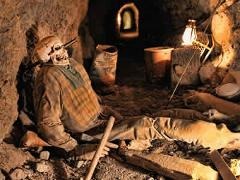
Life at the Techatticup was hard and dangerous. Miners worked long hours by candlelight in hand-dug tunnels, with primitive tools and constant risk. The isolation meant limited supplies, sporadic pay, and little law to protect anyone. Techniques evolved over the decades from basic placer work to hard rock operations with tunnels and vertical shafts, and by the 1880s stamp mills were processing ore on site. It was a brutal existence, and the stories of the men who endured it are a big part of what makes a tour of the mine so compelling.
When did the Techatticup Mine close?
Mining in the canyon continued until around 1945. The 1930s brought a resurgence in gold production, and by the early 1940s the district’s mills were processing hundreds of tons of ore per day. But rising labor costs after World War II made the operations unsustainable, and the mines shut down. The Techatticup, after roughly 80 years of production, went silent.
The property sat largely abandoned until 1994, when Tony and Bobbie Werly purchased around 50 acres that included the mine, a store, a stamp mill, a bunkhouse, and several miner cabins. They restored the buildings, cleared debris from the tunnels, and opened the historic mine to the public, preserving one of the most authentic pieces of Old West history in the state.
Why is the Techatticup Mine famous in movies?
The mine and the surrounding ghost town have long been a favorite of filmmakers. The weathered buildings, vintage vehicles, and dramatic canyon backdrop have appeared in films like 3000 Miles to Graceland, whose crashed plane prop still sits nose down in the dirt nearby, and the 1997 thriller Breakdown. Countless music videos, commercials, and photo shoots have used the location, and it even inspired settings in the video game Fallout: New Vegas. History and Hollywood sit side by side here in a way few places can match.
Can you tour the Techatticup Mine?
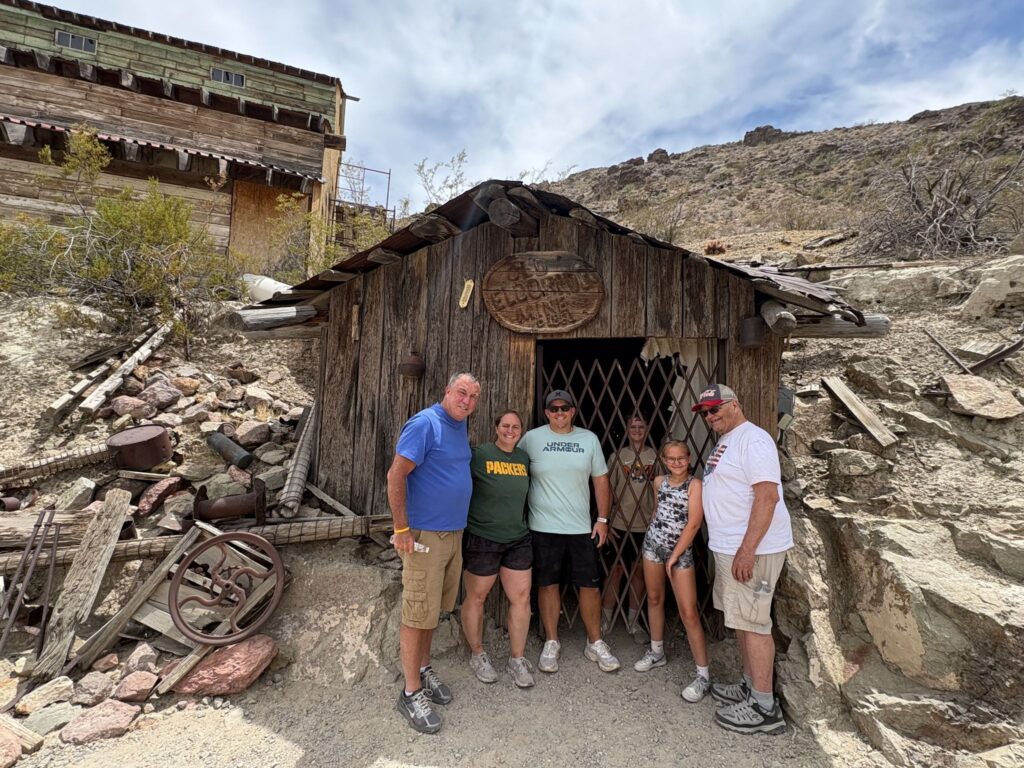
Yes, and going inside is the highlight. The mine complex, known on Google Maps as Eldorado Gold Mine Tours, has become a popular destination for history lovers, photographers, and filmmakers. The grounds are dotted with vintage mining equipment, one of a kind vehicles, old west buildings, and rare antiques.
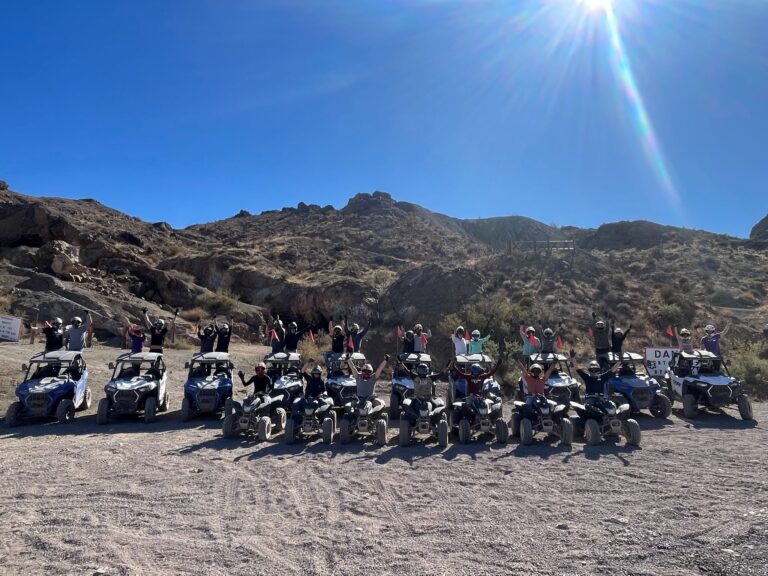
The best way to combine the mine with the surrounding canyon is on a guided off-road adventure. Awesome Adventures runs guided ATV and RZR tours on private desert trails in the Eldorado Canyon area, and on select tours guests go inside the Techatticup Gold Mine property itself. Inside, the guides share the stories of how the miners lived and what they endured, historical details that are exclusive to the tour experience. Mine access is available on select tours only, so it is worth checking which tour includes it when you book. You can learn more on our Techatticup Gold Mine page.
Every tour includes all safety gear, requires no prior experience, and comes with a free photo and video package. It is a rare chance to walk into a mine that has been producing stories since 1861.
What is it like inside the Techatticup Gold Mine?
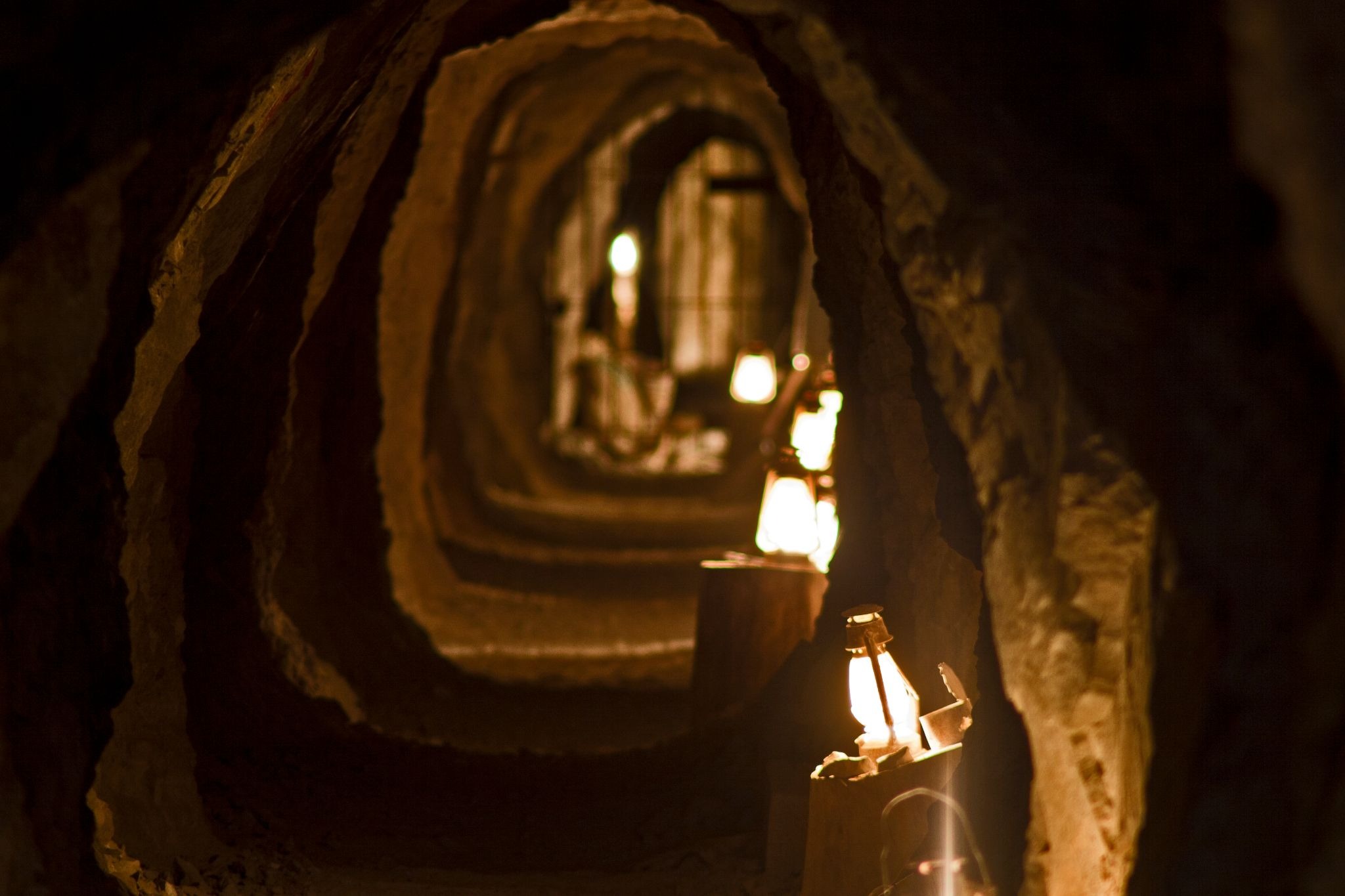
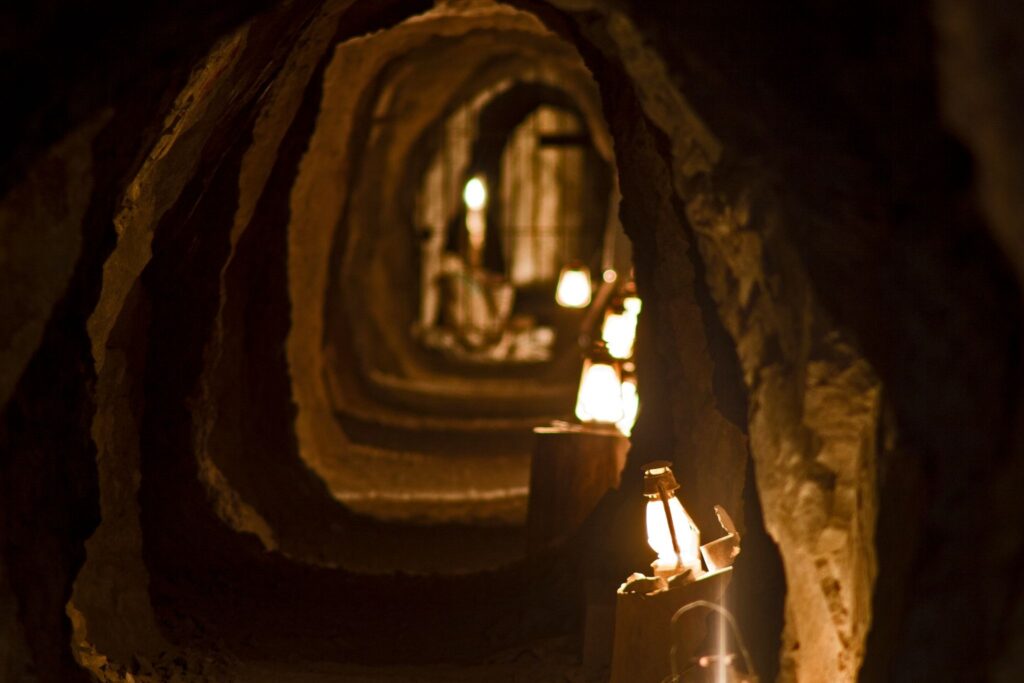
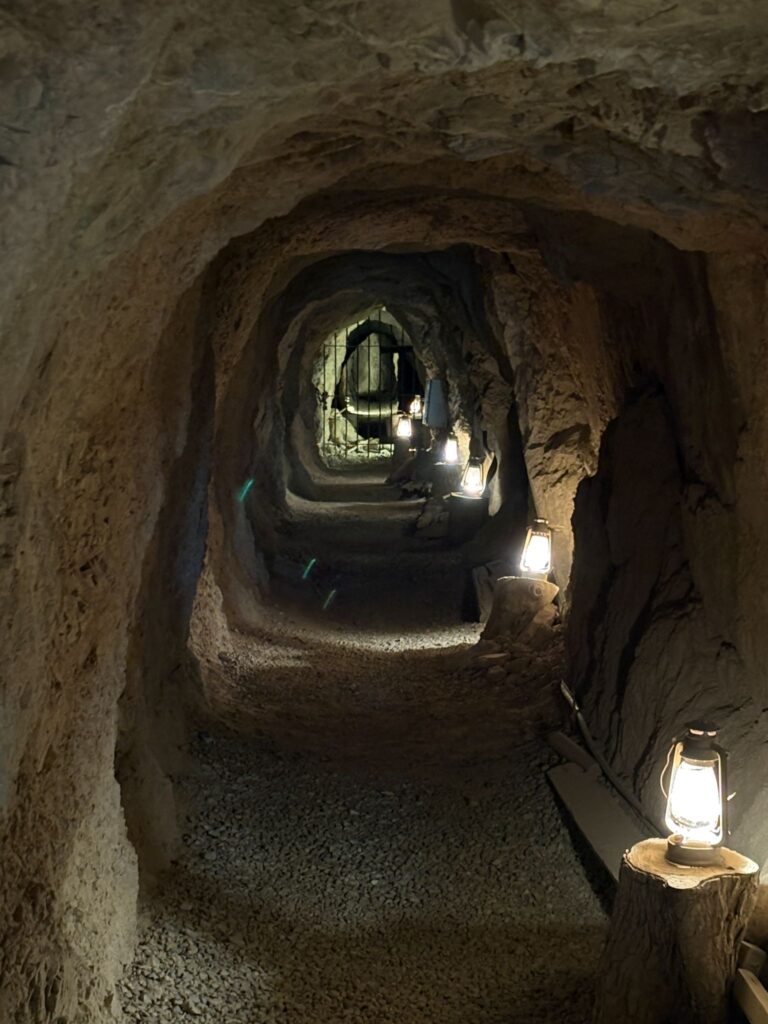
The mine walk is a guided tour of about a quarter mile on maintained gravel paths, on fairly level ground. The tunnels are roomy, so there is no squeezing through tight spaces. Inside, the temperature generally stays under 70 degrees, which feels great in summer and chilly in winter, so bring a light jacket on cool days. Along the way, guides point out old mining equipment and artifacts and share how the miners lived and worked.
What is the best time to tour the mine?
Because the mine is part of a longer off-road adventure through the canyon, the best time to visit follows the same rhythm as the rest of Eldorado Canyon. Spring and fall bring the most comfortable temperatures, summer mornings beat the heat, and winter days are often clear and ideal for photos. Inside the mine, temperatures stay cooler and more stable year round, which makes it a welcome stop on a warm day. Book ahead to secure a tour that includes mine access, since not every tour goes inside.
Want to step inside Southern Nevada’s most famous gold mine? Explore our gold mine tours or call 702-257-8509 to reserve your spot.
#LasVegasATVTour #TechatticupGoldMine #EldoradoCanyon #NelsonGhostTown #ThingsToDoInLasVegas